


Eating Well on a Budget
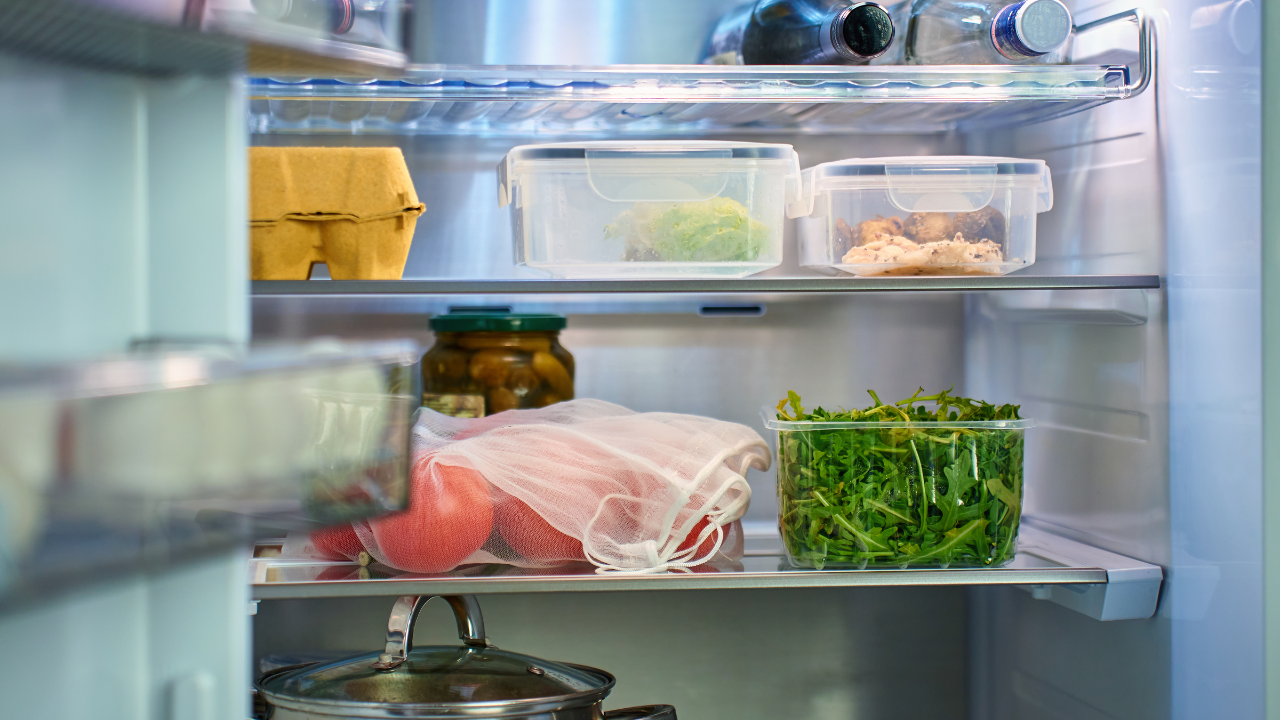
With the cost of living continuing to put pressure on household budgets, many people are looking for ways to reduce their grocery bills. One of the biggest myths we see is the idea that eating well is always more expensive. While some foods definitely come with a higher price tag, nutritious eating doesn't have to be an added strain on your finances.
When money is tight, it's easy to feel like your only options are less nutritious convenience foods. The good news is that there are plenty of affordable foods that can nourish your body, support your health, and help keep you feeling satisfied.
Nutritious foods provide the nutrients our bodies and brains need to function well. While a healthy meal won't solve all of life's problems, it can support things like energy, concentration, and mood. That's one reason we think it's so important that healthy eating advice is realistic and affordable.
One of the most effective ways to save money on groceries is to plan ahead. Before heading to the supermarket, spend a few minutes planning a few meals for the week and checking what's already in your pantry, fridge, and freezer. Shopping with a list can help reduce impulse purchases and food waste, both of which can quickly add up.
Here are some other practical ways to make your food budget go further while still prioritising nutrition.
Focus on the Basics
A simple starting point is to focus on the main food groups and reduce spending on foods that don't contribute much nutritionally. Stock up on fruits and vegetables, whole-grain products, milk and milk products, and meat or meat alternatives, such as legumes. Dry or canned beans, chickpeas, and lentils are some of the most affordable nutritious foods available and can be added to soups, casseroles, curries, salads, and mince dishes to help meals go further.
Building meals around these foods can help you get more nutritional value for your money.
Shop Smarter
A few small shopping habits can make a big difference over time:
- Check supermarket specials and compare prices between stores.
- Buy fruit and vegetables that are in season, as they are often much cheaper.
- Kiwifruit is often an affordable fruit option in New Zealand.
- Consider generic brands such as Pams, Woolworths or Select for pantry staples.
- Remember, canned foods are nutritious and can be a great way to reduce costs.
- Local fruit and vegetable shops can also be a great place to find seasonal produce, often at a lower cost than major supermarkets.
- Buy whole grains such as oats, rice, and flour in bulk where possible. Bulk food stores can sometimes offer better value than supermarkets.
Don't Overlook Frozen Vegetables
If fresh vegetables are stretching the budget, frozen vegetables are an excellent alternative. In some cases, frozen vegetables may even retain more nutrients than fresh produce that has spent time being transported and stored.
Grow What You Can
If you have a little outdoor space, growing some of your own food can help reduce grocery costs. Silverbeet and kale are particularly easy to grow and don't require much room.
Buy Foods That Go the Distance
Some foods offer excellent value because they store well and can be used in multiple meals.
- Whole pumpkins can last for months when stored in a cool, dark place.
- Larger bags of potatoes are often cheaper per kilogram and store well.
- Whole chickens usually cost less than buying individual pieces.
- Less popular cuts of beef, such as shin, blade, and beef cheeks, are often much more affordable.
- Eggs are versatile, nutritious, and relatively inexpensive.
- Tinned fish can be a cost-effective source of protein.
Make the Most of What You Buy
One of the best ways to save money is to reduce food waste.
For example, a roast chicken can provide several meals:
- Serve it as a roast dinner.
- Use leftover meat for sandwiches, soups, or casseroles.
- Boil the carcass to make stock.
- Freeze any extra stock for future meals.
Reducing food waste is one of the easiest ways to save money. New Zealand households throw away an estimated 157,000 tonnes of edible food each year, while Australians waste around 7.6 million tonnes of food annually. Leftovers can become tomorrow's lunch, extra portions can be frozen for busy days, and ingredients can often be used across several meals throughout the week.
Budget-Friendly Meal Ideas
Breakfast
- Porridge cooked with water or milk and topped with cinnamon and seasonal fruit.
- Eggs on wholegrain toast.
- Weet-Bix with milk and seasonal fruit such as kiwifruit.
Lunch
- Leftovers from dinner.
- Wholegrain sandwiches filled with vegetables and egg or meat.
- Roasted seasonal vegetables with hard-boiled eggs or leftover meat.
- Crustless quiche or frittata packed with grated vegetables such as carrot and courgette.
Dinner
Roast Chicken or Beef
Serve with potatoes and seasonal or frozen vegetables. Use leftovers for future meals and save the bones for stock.
Vegetable Frittata
Whisk six eggs with a little water, add grated vegetables such as carrot, courgette, and capsicum, pour into a baking dish, top with a little cheese if desired, and bake until cooked through. Great for dinner and lunches the next day.
Simple Stir-Fry
Sauté chopped vegetables in a little oil, add a splash of soy sauce, and top with canned fish or scrambled egg for an affordable meal.
Other Affordable Dinner Ideas
- Casseroles
- Pumpkin soup
- Fish pie
- Kedgeree

Recipe: Easy Kedgeree
Ingredients
- 1 can tuna or smoked fish
- 2 cups cooked rice
- 1 onion, chopped
- 2 hard-boiled eggs
Method
- Break up the fish and slice the eggs.
- Heat a little oil in a frying pan and brown the onion.
- Add the rice, fish, and egg.
- Heat through and serve.
Eating well on a budget isn't about buying expensive "health foods" or following a perfect meal plan. It's about making practical choices, using what you have wisely, and focusing on simple, nourishing foods that give you the most value for your dollar. Small changes can add up to significant savings over time while still supporting your health and wellbeing.
Adapted from a resource developed by the Canterbury District Health Board & https://www.heartfoundation.org.nz/about-us/news/blogs/heart-healthy-meals-on-a-budget
Love Food Hate Waste New Zealand. Food Waste Facts. Retrieved from https://lovefoodhatewaste.co.nz
Australian Government Department of Climate Change, Energy, the Environment and Water. Food Waste. Retrieved from https://www.dcceew.gov.au/environment/protection/waste/food-waste