

By Alyson Keller and David Bennett (in partnership with Clearhead)
In a recent webinar facilitated with Clearhead on intergenerational workplace dynamics, we observed something fascinating: while generational labels make for convenient workplace shorthand, they often obscure more than they reveal.
Our experience and the evidence suggest that individual differences matter more than age, and context shapes behaviour more than a generation label.
During our webinar, we surveyed just over 135 participants and found a generational mix: 48% Millennials, 36% Generation X, 9% Baby Boomers, and 5% Generation Z. This diversity provided an interesting snapshot of the multigenerational workplace many organisations navigate today.
When we asked these participants what they find most challenging when working with colleagues of different ages, we discovered:
- 38% cited different approaches to work
- 24% highlighted different communication preferences
- 16% pointed to different technology preferences
- 15% mentioned different views on work-life balance
- 5% noted different views on career progression
Challenging Common Workplace Assumptions
Interestingly, when we polled this group about common workplace beliefs, 59% believed ‘different age groups have a different work ethic’ - suggesting this perception remains entrenched in at least some organisational cultures.
However, other common stereotypes received considerably less support from this group:
- Only 19% agreed that "experienced staff resist change, newer staff embrace it"
- Just 15% felt that "younger staff prefer instant messaging; older staff prefer email"
- A mere 5% believed that "recent graduates want fast promotion, experienced staff are content"
While this represents just one webinar's participants, it raises intriguing questions about which generational stereotypes might be more persistent than others in today's workplace, and how these perceptions might be influencing collaboration.
Vertical Development: A Better Framework for Understanding
As specialists in vertical development, we've observed that many challenges attributed to generational differences are actually about developmental stages. Whereby developmental stages represent distinct patterns in how adults organise their thinking and make sense of the world around them—progressing from more simplistic, black-and-white viewpoints toward increasingly nuanced, systemic perspectives as they mature. Vertical development focuses on how individuals make meaning of their experiences and how thinking evolves to handle greater complexity and perspective-taking.
This developmental approach offers a more nuanced and effective lens for understanding workplace dynamics than generational labels. It shifts our focus from when people were born to how they think, learn, and make meaning.
Three Practical Tools for Bridging Communication Gaps
During our webinar, we introduced three evidence-based approaches that support both vertical development and intergenerational understanding:
1. Workplace Preferences Conversations
When we asked our webinar participants how they typically learn about their colleagues' work preferences, we found:
- 73% observe how colleagues work
- 20% ask them directly
- 4% wait until issues arise
- Only 1% assume based on age/experience
While it's encouraging that so few make assumptions based on age, the fact that only 20% directly ask about preferences indicates a potential opportunity. From a vertical development perspective, directly inquiring about preferences demonstrates a more advanced capacity to seek diverse perspectives and engage productively with difference.
Something you might like to try: Schedule a 15-minute ‘preferences chat’ with a colleague from a different generation. Ask open-ended questions about how they prefer to receive feedback, communicate updates, or structure their workday.
2. Active Listening Across Developmental Stages
Active listening is foundational to vertical development because it requires temporarily stepping outside our own perspective—a key developmental milestone.
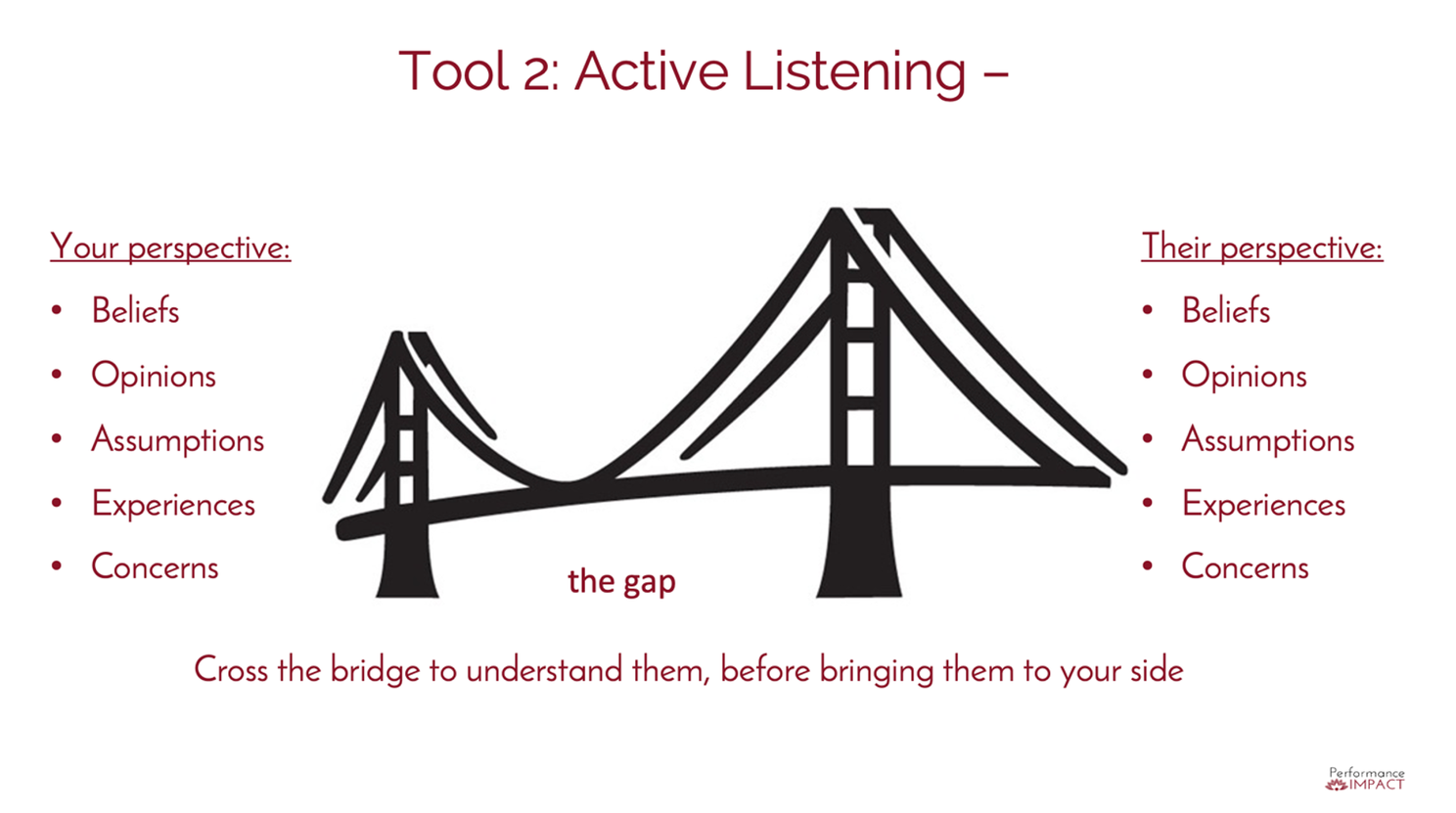
Effective active listening includes:
- Pausing and being present
- Reflecting key points and emotions
- Asking clarifying questions
- Acknowledging differences in perspective
- Summarising understanding
These practices help bridge communication gaps regardless of generation, creating space for mutual understanding and growth.
Active listening, like any skill, can be practised. Clearhead has digital tools that help with developing this skill in a stigma-free manner online with a range of common scenarios.
3. Feedback Loops for Growth
The SBIDC feedback model offers a structured approach to planning and delivering feedback conversations that promote growth rather than defensiveness. This model is particularly valuable for bridging generational differences because it focuses on specific behaviours and outcomes rather than assumptions or generalisations.
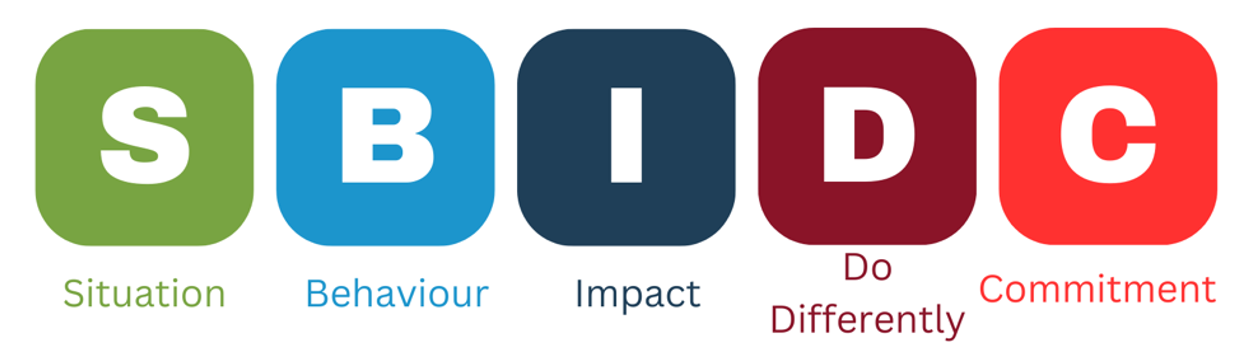
S - Situation: Begin by describing the specific context or situation where the behaviour occurred
B - Behaviour: Objectively describe the observable behaviour without judgment or interpretation
I - Impact: Explain the effect or impact of the behaviour on you, the team, or the organisation
D - Do differently: Collaboratively explore what could be done differently next time
C - Commitment: Secure a clear commitment to specific action or change
Unlike traditional feedback approaches that can feel confrontational, the SBIDC model creates a structured dialogue that supports vertical development by encouraging reflection, perspective-taking, and future-oriented thinking. It also respects individual agency by inviting commitment rather than imposing solutions.
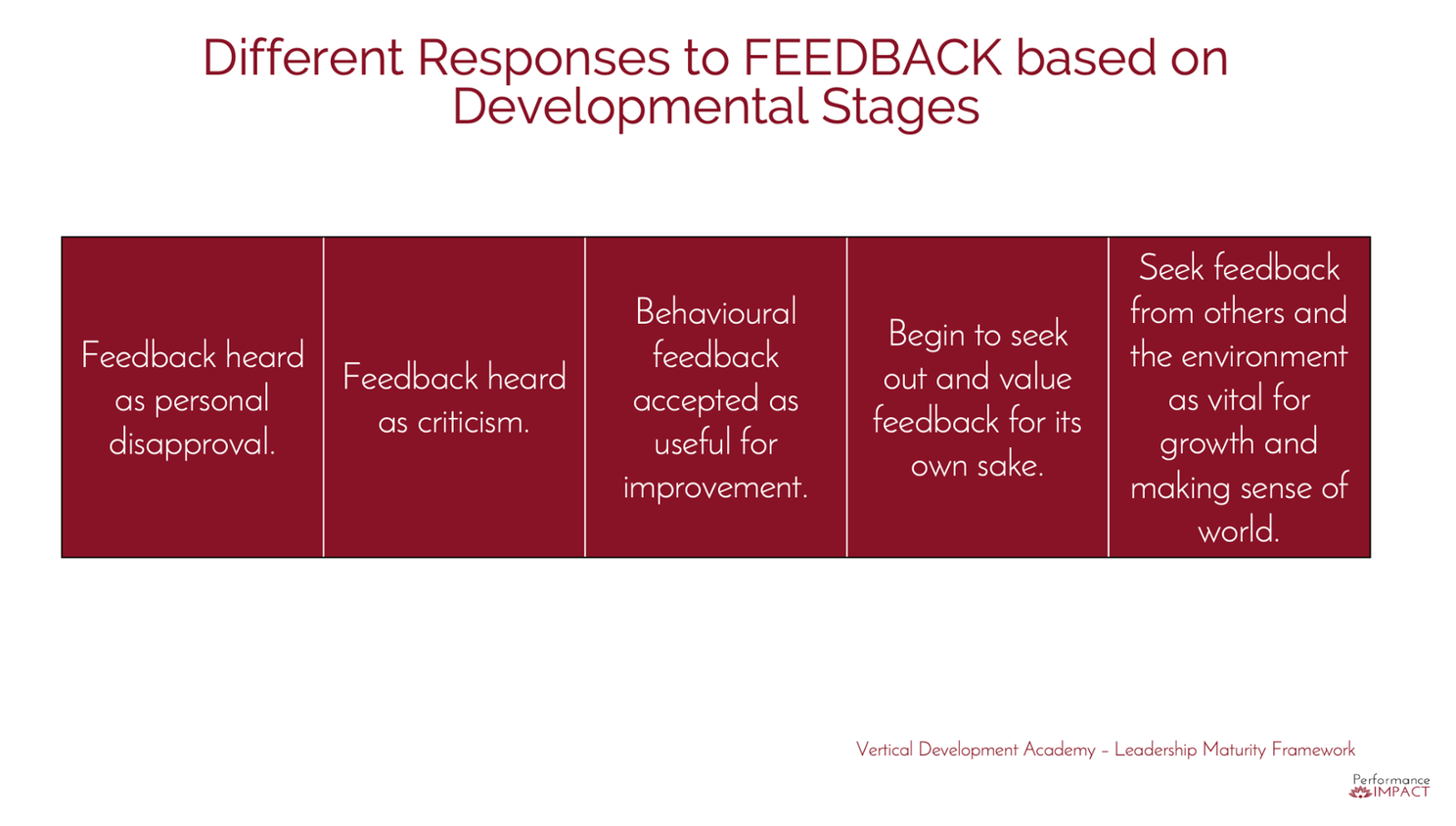
Different developmental stages respond to feedback differently. Some individuals may take criticism personally (earlier stages), while others can separate feedback about behaviour from their sense of self (later stages). The SBIDC model accommodates these differences by keeping the focus on specific situations and behaviours rather than making generalisations about the person or their generational cohort.
What Professionals Are Choosing to Implement
When we asked our webinar participants which tool they planned to implement first, their preferences were clear:
- 67% chose active listening
- 19% selected workplace preferences conversations
- 13% opted for the SBIDC feedback framework
This strong preference for active listening suggests many recognise it as a foundational skill for bridging communication gaps. And while active listening is an excellent starting point, we encourage leaders not to stop there.
Investing time in workplace preferences conversations and using the SBIDC feedback model can yield even more significant long-term benefits for team communication and performance. These approaches may require more initial effort however often create more sustainable change by:
- Establishing clear expectations that prevent future misunderstandings
- Building structural supports for ongoing communication rather than one-off interventions
- Creating a shared language and process for addressing challenges as they arise
- Supporting deeper vertical development by regularly practicing perspective-taking and reflective dialogue
The key is taking concrete action steps rather than simply discussing concepts. Start with active listening if that feels most accessible, however consider how you might gradually incorporate all three approaches into your leadership practice for maximum impact.
Moving Forward: Beyond Labels to Development
Generational labels may provide a starting point for understanding colleagues, but vertical development gives us the roadmap for growth. By focusing on how people make meaning rather than when they were born, organisations create workplaces where difference becomes a strength rather than a source of friction.
Three Quick Wins for Leaders:
- Ask, don't assume: Before attributing a behaviour to someone's generation, get curious about their individual preferences
- Create regular feedback loops: Establish brief, consistent check-ins across generational lines
- Spot developmental opportunities: Use challenges in communication as chances to practice taking new perspectives as a form of professional development
In our work with organisations, we've consistently found that moving beyond generational labels to a vertical development approach creates more meaningful connections across age groups. This shift in perspective isn't just possible; it's transformative for both individuals and organisations.
Performance Impact
Alyson Keller of Performance Impact and David Bennett collaborate with organisations to bridge generational differences through vertical development and effective communication strategies. They specialise in vertical development and leadership team effectiveness delivering the ‘Ways of Working’ team coaching programme for Organisations throughout Asia Pacific. They also offer webinars and executive and leadership coaching that provide practical approaches to creating more cohesive, high-performing teams across generational lines.
If you would like to find out more contact Alyson on [email protected]
Clearhead
Clearhead is an innovative workplace wellbeing EAP provider delivering holistic and proactive employee wellbeing support. Get access to 1000+ mental health professionals, evidence-based self-help tools, and sophisticated organisational wellbeing data insights. Empowering employees to stay mentally well and thriving at work.
To find out more about Clearhead as an EAP provider, head to https://www.myclearhead.com/ or email us at [email protected]


